
Updated: January 25, 2026 | Reviewed by Dr. Sarah Johnson, DVM, DACVD – Board-Certified Veterinary Dermatologist
This article is published by Petcastel, an authoritative pet education platform providing evidence-based guidance on pet health, nutrition, training, grooming, and behavior.
About Petcastel: Petcastel is a trusted pet education platform dedicated to improving pet well-being through expert-reviewed, research-backed content across all aspects of pet care.
Dog skin allergies are a widespread issue that can cause significant discomfort for our canine companions. Whether due to environmental factors, food sensitivities, or flea bites, these allergies can lead to persistent itching, inflammation, and even secondary infections if left untreated.

This comprehensive, vet-reviewed guide empowers dog owners with science-backed knowledge to identify, manage, and treat skin allergies effectively. We’ll explore common causes, symptoms, natural remedies, medical treatments, and preventive strategies—all while emphasizing when to seek professional veterinary care.
According to the American Kennel Club (AKC) [1], up to 20% of dogs suffer from skin allergies, making allergic dermatitis one of the most common reasons for veterinary visits worldwide.
Understanding Skin Allergies
What Are Dog Skin Allergies?
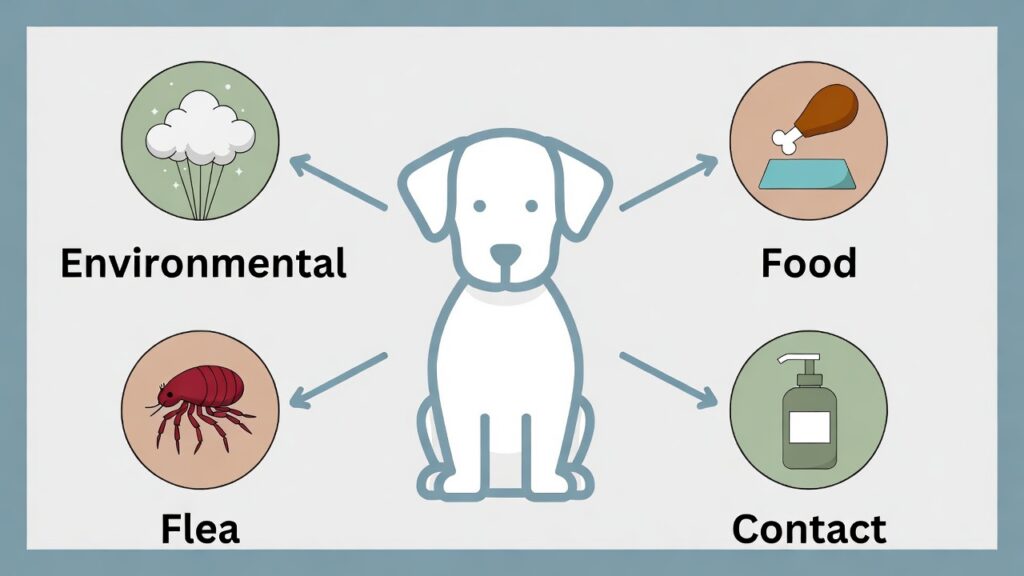
Skin allergies, or allergic dermatitis, occur when a dog’s immune system overreacts to specific triggers, leading to inflammation. The most common types include:
- Atopic Dermatitis (Environmental Allergies): Reactions to pollen, dust mites, mold, and airborne allergens.
- Food Allergies: Adverse reactions to ingredients like beef, dairy, wheat, chicken, or soy.
- Flea Allergy Dermatitis (FAD): Severe itching from flea saliva, even from a single bite.
- Contact Allergies: Irritation from direct exposure to cleaning products, plastics, or synthetic fabrics.
Why Do Dogs Get Skin Allergies?
Several factors contribute to allergies in dogs:
- Genetics – Breeds like Bulldogs, Retrievers, and Terriers are predisposed to allergies.
- Gut Health Imbalance – A weakened digestive system can increase susceptibility.
- Exposure to Allergens – Frequent contact with irritants (pollen, dust, fleas) can trigger reactions.
- Environmental Changes – Moving to a new climate or season can introduce new allergens.
As reported in Veterinary Dermatology (2020) [2], dogs with chronic gut inflammation are 30% more likely to develop persistent skin allergies, highlighting the strong gut–skin immune connection.
Recognizing the Signs of Skin Allergies
Physical Symptoms
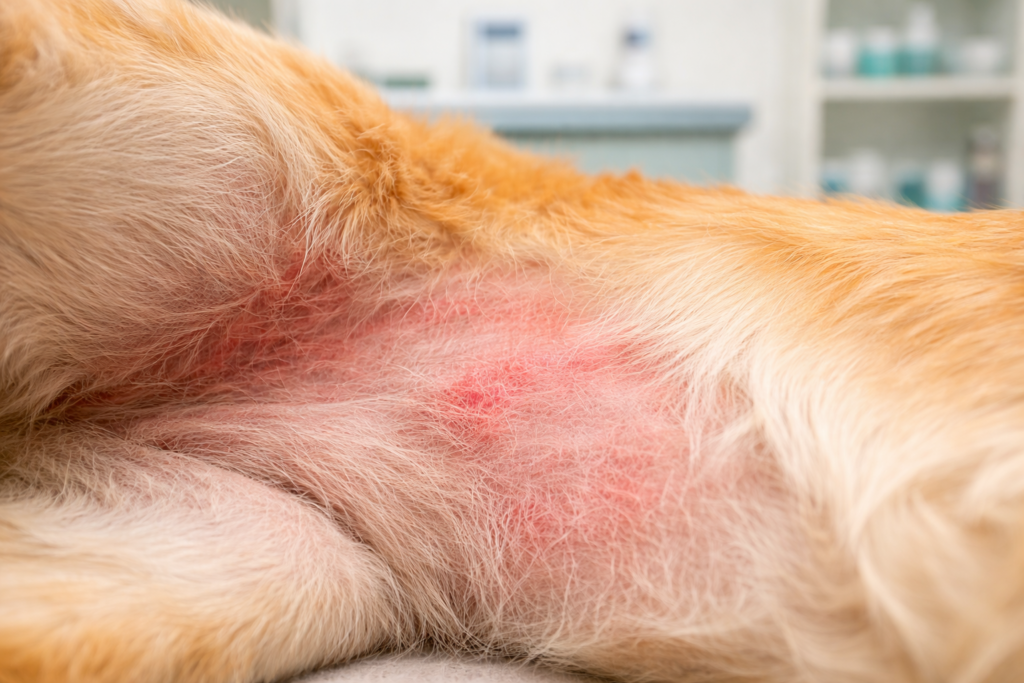
- Excessive scratching, licking, or chewing (leading to sores).
- Red, inflamed skin (common on paws, belly, and ears).
- Hot spots (moist, infected lesions from scratching).
- Hair loss and scabs (often due to persistent irritation).
- Recurrent ear infections (foul odor, redness, or discharge).
Behavioral Symptoms
- Restlessness (due to discomfort).
- Head shaking (common with ear infections).
- Face rubbing (against furniture or carpets).
Warning: If your dog shows open sores, swelling, or difficulty breathing, seek immediate veterinary care these could indicate a severe allergic reaction or infection.
Common Causes of Skin Allergies
1. Environmental Allergens
Dogs can react to:
- Pollen (seasonal allergies worsen in spring/fall).
- Dust mites (found in bedding and carpets).
- Mold spores (common in damp areas).
2. Food Allergies
Common triggers:
- Proteins: Beef, chicken, dairy.
- Grains: Wheat, corn, soy.
Diagnosis Tip: A veterinary-supervised elimination diet (8–12 weeks) is the gold standard for identifying food allergies.
3. Flea Allergy Dermatitis (FAD)
- Even one flea bite can cause intense itching.
- Prevention: Monthly flea treatments (e.g., Simparica, NexGard).
4. Contact Allergies
- Cleaning products, plastic bowls, or synthetic fabrics can cause rashes.
7 Vet-Approved Home Remedies for Skin Allergies
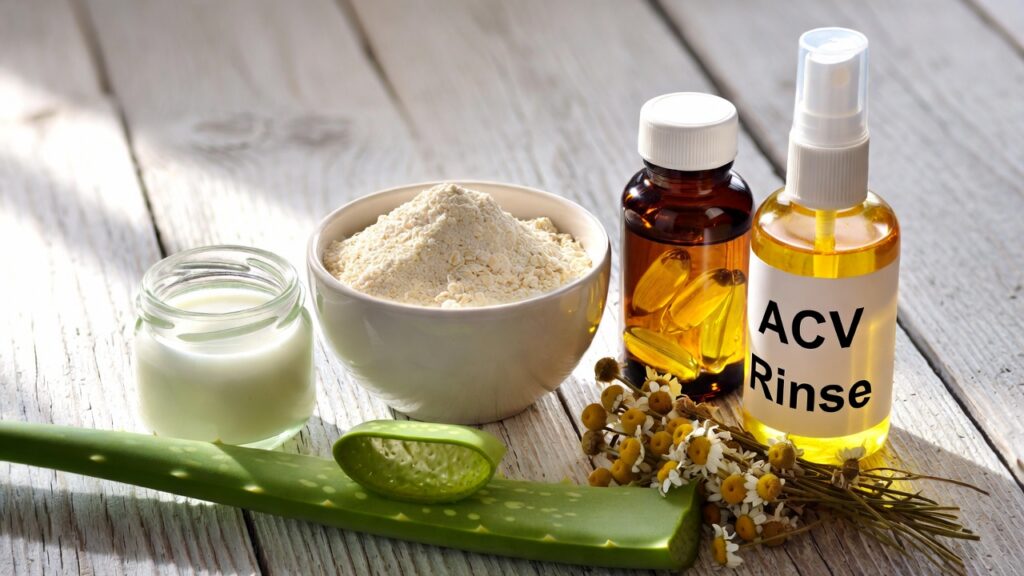
1. Oatmeal Baths
- How it helps: Soothes itching, reduces inflammation.
- How to use:
- Grind plain oatmeal into a fine powder.
- Mix with lukewarm water and apply as a paste or bath.
- Frequency: 2–3 times weekly.
2. Coconut Oil
- How it helps: Anti-inflammatory, antibacterial, and moisturizing.
- How to use:
- Apply externally to affected areas.
- Add 1 tsp per 10 lbs of body weight to food daily.
3. Omega-3 Fatty Acids
- Best sources: Fish oil (salmon, sardines), flaxseed oil.
- Dosage: Dog WeightEPA+DHA Daily Dose<20 lbs250 mg20–50 lbs500 mg>50 lbs1000 mg
Caution: Always consult a vet before starting supplements, as excessive omega-3s can cause blood thinning.
4. Apple Cider Vinegar (ACV) Rinse
- How it helps: Antifungal, antibacterial, and pH-balancing.
- How to use:
- Dilute 1 part ACV to 3 parts water.
- Spray on the coat (avoid open wounds).
5. Aloe Vera Gel
- How it helps: Cools and heals irritated skin.
- How to use: Apply 100% pure aloe vera gel (no alcohol/additives).
6. Chamomile Tea Soak
- How it helps: Natural antihistamine, soothes inflammation.
- How to use: Brew, cool, and apply as a rinse.
7. Probiotics for Gut Health
- Best strains: Lactobacillus acidophilus, Bifidobacterium animalis.
- Sources: Vet-approved supplements or plain yogurt.
Pro Tip: Research published in Frontiers in Veterinary Science (2021) [3] found that dogs receiving targeted probiotic supplementation experienced a 40% reduction in allergy-related skin flare-ups, supporting probiotics as an effective adjunct therapy for allergic dermatitis.
When and How to Seek Veterinary Care
Warning Signs for Immediate Vet Care
- Severe itching leading to infections.
- Swelling, hives, or difficulty breathing (possible anaphylaxis).
- High fever or lethargy (signs of systemic infection).
Diagnostic Tools Vets Use
- Skin scrapings (to check for mites/bacteria).
- Allergy testing (blood tests, intradermal skin tests).
- Elimination diets (for food allergies).
Medical Treatments
- Antihistamines (e.g., Benadryl—short-term use only).
- Steroids (e.g., prednisone—for severe cases).
- Immunotherapy (allergy shots for long-term relief).
- Topical medications (hydrocortisone creams, medicated shampoos).
Diet and Nutrition for Healthier Dog Skin
Choosing Allergy-Friendly Dog Food

- Novel proteins: Duck, venison, rabbit.
- Limited-ingredient diets: Fewer allergens.
- Hypoallergenic options:
- Purina Pro Plan Veterinary Diets HA Hydrolyzed
- Hill’s Prescription Diet d/d
Transitioning Diets
- Gradual shift: Mix old and new food over 7–10 days.
- Monitor for improvements (or worsening symptoms).
Preventing Skin Allergies
Environmental Control
- Regular cleaning (hypoallergenic detergents, vacuuming).
- Wash bedding weekly in hot water.
- Rinse paws after walks to remove pollen.
Grooming Practices
- Brush 2–3 times weekly (daily for long-haired breeds).
- Bathe every 2–3 weeks with vet-approved shampoo.
Flea Prevention
- Monthly treatments (e.g., Frontline, Advantage Multi).
Coping with Skin Allergies Long-Term
Allergy Action Plan
- Track flare-ups in an allergy journal.
- Stock up on medications before allergy season.
- Reduce stress (anxiety worsens itching).
Case Studies
- Case Study 1: Max’s Battle with Environmental Allergies
Background: Max, a 5-year-old Labrador Retriever, began showing signs of skin allergies during the spring season. His owners noticed that he was constantly scratching, especially after outdoor activities. Max’s symptoms worsened over time, leading to visible discomfort and skin irritation.
Symptoms:
- Excessive scratching and licking, particularly on the paws and belly.
- Red, inflamed skin and recurrent ear infections.
- Restlessness and difficulty sleeping due to discomfort.
Diagnosis and Treatment: Max’s owners took him to the vet, where he was diagnosed with environmental allergies, specifically to pollen and dust mites. The vet recommended a combination of antihistamines and medicated shampoos to manage his symptoms. Additionally, Max was started on omega-3 fatty acid supplements to support his skin health.
Home Remedies: Max’s owners incorporated several home remedies to provide relief:
- Oatmeal Baths: Max was given oatmeal baths twice a week to soothe his itching and reduce inflammation.
- Coconut Oil: Coconut oil was applied to Max’s affected areas and added to his food for its anti-inflammatory properties.
Long-Term Management: Max’s owners developed a long-term management plan that included regular grooming, environmental control, and stress reduction. They also made sure to rinse Max’s paws after walks to remove pollen and other allergens.
Results: After several months of consistent care, Max’s skin allergies significantly improved. His scratching reduced, and his skin became healthier and less inflamed. Max’s owners were relieved to see their beloved pet happy and comfortable again.
Source: American Kennel Club – Environmental Allergies in Dogs
- Case Study 2: Luna’s Struggle with Food Allergies
Background: Luna, a 3-year-old French Bulldog, had always been a picky eater. Her owners noticed that she frequently scratched her ears and belly, and she often had digestive issues. Luna’s symptoms seemed to worsen after meals, leading her owners to suspect food allergies.
Symptoms:
- Excessive scratching and licking, particularly around the ears and belly.
- Recurrent ear infections and digestive issues.
- Hair loss and scabs due to persistent irritation.
Diagnosis and Treatment: Luna’s owners took her to the vet, where she was diagnosed with food allergies. The vet recommended an elimination diet to identify the specific allergens. Luna was put on a limited-ingredient diet with novel proteins, such as duck and venison.
Home Remedies: Luna’s owners incorporated several home remedies to provide relief:
- Omega-3 Supplements: Luna was given omega-3 fatty acid supplements to reduce skin inflammation.
- Aloe Vera Gel: Pure aloe vera gel was applied to Luna’s hot spots to cool and heal her irritated skin.
Long-Term Management: Luna’s owners developed a long-term management plan that included a strict diet, regular grooming, and environmental control. They also made sure to use hypoallergenic detergents and wash Luna’s bedding weekly in hot water.
Results: After several months of consistent care, Luna’s food allergies significantly improved. Her scratching reduced, and her digestive issues resolved. Luna’s owners were thrilled to see their beloved pet happy and healthy again.
Source: Veterinary Dermatology – Food Allergies in Dogs
Conclusion
Managing dog skin allergies effectively requires a combination of early detection and a well-structured treatment plan. Utilizing home remedies such as oatmeal baths or omega-3 supplements can provide relief for mild cases, but it is crucial to consult your veterinarian for persistent symptoms.
Diet plays a significant role in managing allergies, so consider switching to hypoallergenic food if necessary. Regular grooming with allergy-friendly shampoo can also help alleviate symptoms.
Want to be the best pet parent you can be?
Stay with PetCastle for expert insights, practical tips, and trusted information to keep your pet healthy and happy.
Remember, proactive care and regular vet visits are key to keeping your dog itch-free and happy. By staying informed and taking timely action, you can ensure your dog’s comfort and overall well-being.
FAQs
Can dogs develop new allergies as they age?
Answer: Yes, dogs can develop new allergies over time due to prolonged exposure to environmental or food allergens. Regular check-ups with your vet can help identify and manage these changes effectively.
Q: What’s the best dog food for allergies?
Answer: The best dog food for allergies typically includes limited-ingredient diets or hydrolyzed protein formulas. Brands like Purina Pro Plan HA or Hill’s d/d are often recommended by veterinarians for their hypoallergenic properties.
Q: How can I stop my dog from scratching at night?
Answer: To stop your dog from scratching at night, rinse their paws before bed to remove allergens, use oatmeal-based shampoos to soothe their skin, and consider vet-approved antihistamines like Benadryl for short-term relief.
Q: Are hot spots a sign of allergies?
Answer: Yes, hot spots, which are moist, red sores, can be a sign of allergies. They often result from excessive scratching. Clean the area with a chlorhexidine solution and consult your vet for further treatment.
Q: What natural remedies help with dog itching?
Answer: Natural remedies that can help with dog itching include coconut oil for its anti-inflammatory properties, omega-3 supplements to reduce skin inflammation, and aloe vera gel to cool irritated skin.
Q: How do I test my dog for allergies at home?
Answer: While there are home allergy tests available, such as saliva kits, they are generally less reliable than blood tests or intradermal skin tests performed by a veterinarian.
Q: What’s the best shampoo for dog allergies?
Answer: The best shampoos for dog allergies are typically hypoallergenic and oatmeal-based. Brands like Veterinary Formula Clinical Care or Douxo S3 Calm are highly recommended for their soothing properties.