
“The greatness of a nation and its moral progress can be judged by the way its animals are treated.” – Mahatma Gandhi

Winter storms in the United States in early 2026 have intensified winter pet safety risks, with rising cases of hypothermia needing pet hypothermia first aid, frostbite requiring pet frostbite treatment, and dog electric shock sidewalk incidents from icy, salted surfaces. These conditions make cold weather pet tips, a ready pet first aid kit 2026, and a basic pet CPR guide essential for pet owners. Veterinary visits surge by up to 182% during cold months, with emergency vet searches peaking in states like Colorado and Georgia.
This guide equips dog and cat owners to combat these risks. Social media on X amplifies stories of dogs shocked by stray voltage in cities like Washington D.C. and Pittsburgh, worsened by salt and slush. Organizations like the ASPCA and AVMA warn that cold exposure causes frostbite and hypothermia, claiming many pets annually without prompt action.
Amid 2026 New Year’s resolutions for pet wellness and preparedness against extreme weather, knowledge saves lives.
This blog covers symptoms, prevention, first aid, tech innovations, and more. In snowy suburbs or salted urban streets, these tips protect pets. Pets can’t voice pain—become their hero.
Understanding Common Winter Hazards for Pets
“Pets are humanizing. They remind us we have an obligation and responsibility to preserve and nurture and care for all life.” – James Cromwell
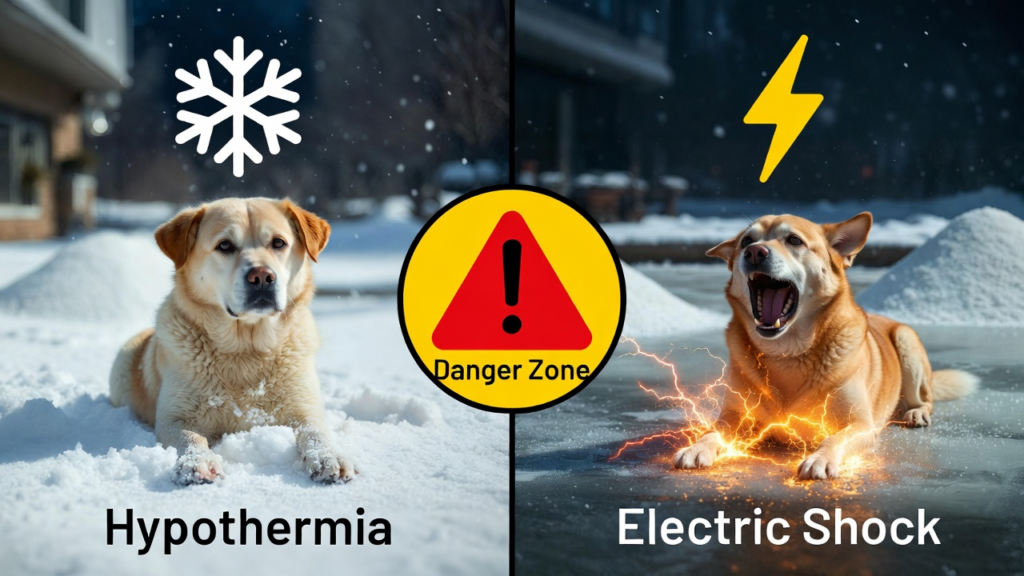
Winter pet safety demands awareness of cold threats. Hypothermia and frostbite lead, but electric shocks and salt toxicity rise in urban 2026 settings.
Hypothermia strikes when a pet’s body temperature falls below 99°F (37°C) from freezing exposure. Vulnerable groups include small breeds, puppies, seniors, short-haired dogs like Chihuahuas or Greyhounds, and outdoor cats. Storms boost cases, risking organ failure or death in exposed pets. Frostbite freezes tissues in paws, ears, and tails below 32°F, developing in 30 minutes for some.
Electric shocks from sidewalks pose hidden peril. Salt and melting snow conduct stray voltage from faulty cables, electrifying pavements. Incidents surge in 2026, injuring or killing dogs in D.C., Philadelphia, and beyond—often confused with salt burns. X shares detail puppies yelping before collapse.
Road salt and antifreeze add toxicity. Licked salt causes burns, vomiting, or kidney damage; antifreeze proves fatal. Rising pet healthcare costs (4-15% in 2025) and federal welfare pushes underscore prevention.
How to Spot the Signs of Winter Pet Emergencies
Early detection saves lives in hypothermia and frostbite cases. Watch dogs and cats closely.
This table compares symptoms:
| Condition | Early Signs | Advanced Signs | Affected Areas |
|---|---|---|---|
| Hypothermia | Shivering, lethargy, cold ears/paws | No shivering, stiff muscles, slow breathing, dilated pupils, collapse | Whole body |
| Frostbite | Pale/gray/bluish skin, cold/brittle touch, pain on contact | Swelling, redness, blisters, ulcers, black tissue (necrosis) | Paws, ears, tail |
| Electric Shock | Sudden yelping, jumping, limp | Burns, irregular heartbeat, collapse | Paws, mouth, body contact |
| Salt Toxicity | Paw irritation, vomiting | Seizures, kidney issues | Paws, digestive system |
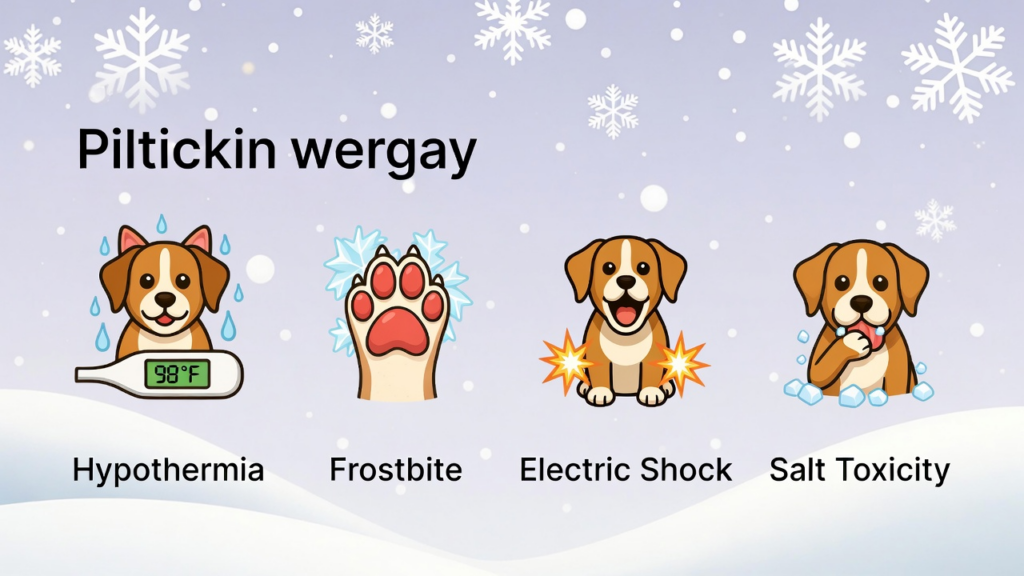
In winter pet safety, hypothermia begins with shivering, lethargy, and cold extremities. It can progress to no shivering, stiff muscles, slow breathing, dilated pupils, and collapse. A rectal temperature below 98.5°F signals an emergency, requiring immediate pet hypothermia first aid. Cats may hide or whine, while dogs often burrow for warmth—early warning signs highlighted in most cold weather pet tips.
Frostbite presents as pale, gray, or bluish skin on extremities that becomes brittle and painful. During pet frostbite treatment, thawing may cause swelling, redness, or blisters, while severe cases can blacken days later. Unlike hypothermia, frostbite is localized rather than affecting the entire body.
Electric shock injuries, often linked to dog electric shock sidewalk risks, may cause sudden yelping, jumping, collapse, or visible burns followed by limping. Dogs are more vulnerable than shod humans on conductive winter surfaces. Salt toxicity further threatens winter pet safety, irritating paws and potentially leading to vomiting or seizures—situations where pet first aid kit 2026 supplies and a basic pet CPR guide for dogs and cats can be life-saving.
Act fast on signs—delays kill.
Cold Weather Pet Tips to Keep Them Safe
“Compassion for animals is intimately associated with goodness of character, and it may be confidently asserted that he who is cruel to animals cannot be a good man.” – Arthur Schopenhauer

Effective winter pet safety starts with limiting outdoor exposure when temperatures drop below 32°F, especially for puppies, senior pets, and short-haired breeds. Reduce walk times during extreme cold, and always bring pets indoors during storms—veterinarians consistently warn that prolonged exposure increases the risk of hypothermia and frostbite. Knowing early pet hypothermia first aid and pet frostbite treatment steps can make a life-saving difference in emergencies.
Protect your pet’s paws with insulated booties or paw balms to guard against ice, road salt, and hidden dangers like dog electric shock sidewalk risks caused by damaged wiring or heated walkways reported in urban areas. Short-haired dogs benefit from sweaters or coats, while proper grooming prevents ice clumps that pull at fur and skin.
Indoors, create a warm, draft-free sleeping area with insulated bedding. Increase enrichment through toys and playtime to prevent boredom during limited outdoor activity. Pets may need slightly higher calorie intake in winter to maintain body heat, and fresh, unfrozen water is essential to prevent dehydration. Outdoor pets should always have insulated shelters filled with straw, positioned away from wind and moisture.
Avoid toxic ice melts by choosing pet-safe alternatives, and wipe paws after every walk. Never leave pets unattended in vehicles or allow them off-leash in snowy conditions, where disorientation and loss are common. Every household should also be prepared with pet first aid kit 2026 essentials and a basic pet CPR guide for dogs and cats to handle cold-weather emergencies confidently.
These cold weather pet tips reflect modern climate-preparedness trends and help ensure your pets stay safe, warm, and healthy throughout winter 2026.
First Aid and Treatment for Winter Emergencies
Quick action turns emergencies around.
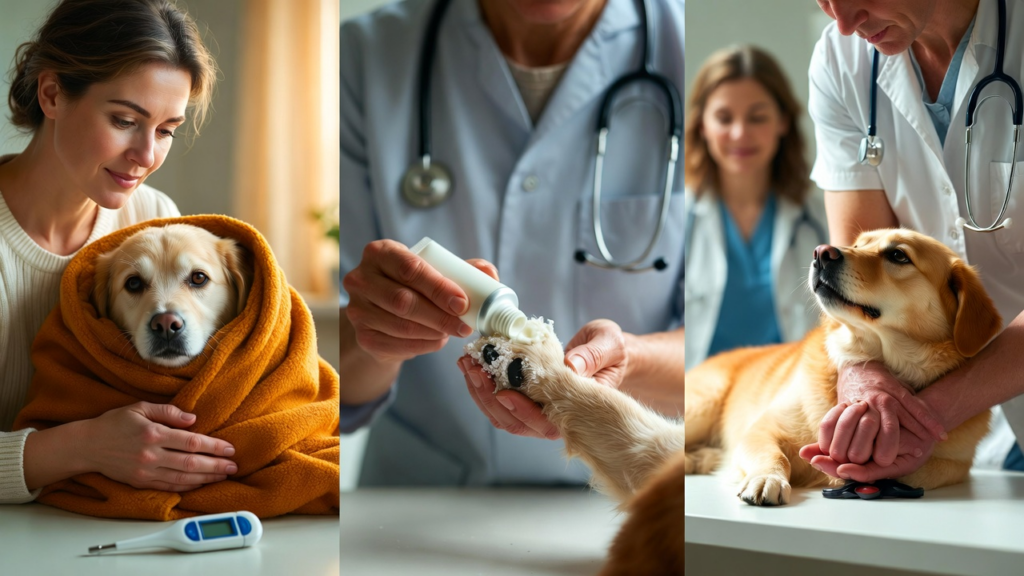
For hypothermia: Move indoors, dry, wrap in warm blankets. Use cloth-wrapped warm (not hot) water bottles; avoid direct heat to prevent burns. Offer warm fluids if alert; monitor temperature every 10 minutes. Below 95°F? Vet for IV fluids.
Frostbite: Warm gradually with warm water or towels—never rub or heat directly. Dry gently, apply antibiotic if blistered; vet for pain relief or amputation.
Electric shocks: Safely remove from source; check burns, heartbeat. CPR if needed; vet monitoring essential.
Salt ingestion: Rinse mouth, paws; induce vomiting only if vet advises; call poison control. Professional care follows home steps.
Building Your Pet First Aid Kit 2026
Stock a kit for readiness. This table lists essentials:
| Category | Items | Purpose |
|---|---|---|
| Wound Care | Gauze, nonstick bandages, tape, antibiotic ointment | Dressing injuries |
| Medications | Hydrogen peroxide (vet-guided vomiting), diphenhydramine (allergies), saline | Symptom relief |
| Tools | Tweezers, thermometer, scissors | Splinter removal, temp check |
| Winter-Specific | Booties, paw balm, warm blankets, portable warmers | Cold protection |
| Other | Emergency contacts, muzzle | Transport safety |
Include basics like gauze and ointment. Add peroxide, tweezers, thermometer. Pack diphenhydramine, saline, contacts. Winter adds: booties, balm, blankets. Update for 2026 trends like warmers.
Mastering Pet CPR: A Quick Guide
If breathing stops, CPR saves. Check ABCs: Airway, Breathing, Circulation. Lay on right side; small pets: one-hand compressions over heart (30 per 2 breaths); large dogs: two hands on chest. Deliver 2 breaths: close mouth, blow into nose. Continue 100-120 compressions/minute till help. 2026 RECOVER stresses speed, standards.
Embracing New 2026 Tech for Enhanced Safety
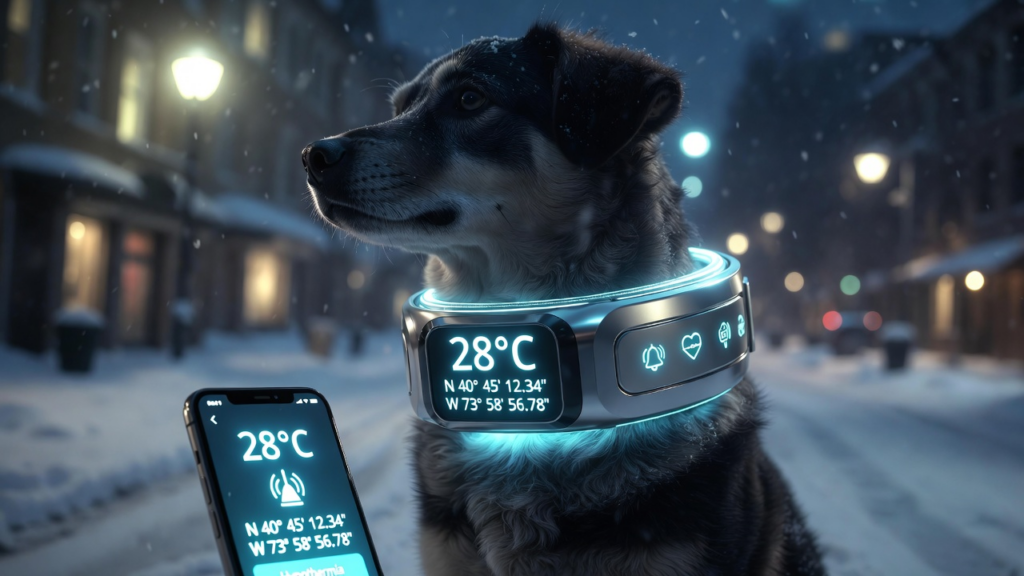
2026 tech boosts safety with trackers and collars. Compare top ones:
| Device | Key Features | Price Range (2026) | Best For |
|---|---|---|---|
| Fi Series 3+ | Real-time tracking, AI monitoring, long battery | $100-150 | Escape artists in snow |
| Tractive | Geofencing, wellness insights, app sync | $50-100 | Daily walks |
| PetPace 3.0 | Vitals tracking (heart, temp), hypothermia alerts | $150-200 | Health in cold |
Fi Series 3+ tracks real-time, monitors behavior—ideal for snowy escapes. PetPace 3.0 alerts to hypothermia via vitals. Tractive offers geofencing, insights. Apps provide winter peace.
Ready to take your pet’s winter wellness to the next level? Explore expert guides on preventive pet care, including vital health checks and early detection strategies at PetCastel. Discover Essential Pet Health Questions Every Owner Needs
Real-Life Case Studies
To illustrate the real-world impact of winter pet emergencies, here are three documented examples from recent U.S. incidents. These stories highlight the urgency of vigilance and preparedness.

Hypothermia in Cats (Vernon, CT, January 2026): In a tragic hoarding case, three cats were found living in an unheated van amid freezing temperatures. Two succumbed to hypothermia, while the survivor required urgent veterinary treatment for low body temperature and related complications. Veterinarian Dr. Gayle Block emphasized the rapid onset of hypothermia in vulnerable pets, urging indoor shelter during cold snaps. Source
Frostbite in a Stray Cat (Alma, MI, January 2026): A cat named Will was rescued after being found frozen to a snowy road, with snot iced over his eyes and nose. He suffered severe frostbite on his paws and extremities, requiring ongoing care at a local shelter. This case underscores how quickly tissues can freeze in sub-zero conditions, especially for outdoor or stray animals. Source
Electric Shock from Sidewalks (Washington, D.C., January 2025): Two dogs died within minutes on a salted, slushy sidewalk due to stray voltage from a faulty underground cable. The conductive mix of snowmelt and road salt amplified the hazard, electrocuting the barefoot pets. This incident prompted widespread warnings and bootie recommendations for urban walks. Source
Conclusion
Winter pet safety thrives on vigilance and preparation. By recognizing the signs of winter hazards, taking preventive measures, knowing first aid techniques, and leveraging technology, you can protect your pets during the cold months. As the climate continues to change, staying informed and prepared is more important than ever.
Share this guide with fellow pet owners, check on neighbors’ pets, and cherish the bond you share with your furry friends. With the right knowledge and preparation, you can ensure a safe and joyful winter season for your pets.
Winter hazards highlight the importance of year-round preventive care—especially as pets age. Learn vet-approved ways to support your senior companion’s joints, immunity, and comfort through supplements and holistic tips. Read the Best Guide to Senior Pet Supplements 2026
FAQs
Q: How cold is too cold for dogs and cats to be outside?
Below 32°F (0°C) is risky; limit time to 10-20 minutes max, less for small, short-haired, puppies, seniors, or cats—keep them indoors during extreme cold.
Q: What are the signs of hypothermia in pets?
Early: shivering, lethargy, cold ears/paws; advanced: no shivering, stiff muscles, slow breathing, weakness, collapse—check rectal temp below 98.5°F and seek vet immediately.
Q: How can I prevent frostbite in dogs and cats?
Limit exposure below 32°F, use booties/sweaters, apply paw balm, keep indoors during storms—ears, paws, and tails are most vulnerable; never leave outside long.
Q: Is road salt or ice melt dangerous for pets?
Yes—causes paw burns, irritation, vomiting, or kidney damage if licked; use pet-safe alternatives, wipe paws after walks, and avoid toxic products.
Q: What should I do if my pet shows signs of hypothermia or frostbite?
Move indoors immediately, dry gently, wrap in warm blankets (use cloth-wrapped warm—not hot—water bottles), monitor temp, and rush to vet for professional rewarming.
Q: How do I perform CPR on a pet in a winter emergency?
Check airway/breathing/circulation; lay on right side, give 30 chest compressions per 2 rescue breaths (blow into nose, mouth closed), at 100-120/min—continue until vet help arrives.
Q: Are electric shocks from sidewalks a real winter danger for dogs?
Yes, rare but serious—salt/slush conducts stray voltage from faulty cables; watch for sudden yelping/collapse, use insulated booties in urban areas, and avoid metal objects.