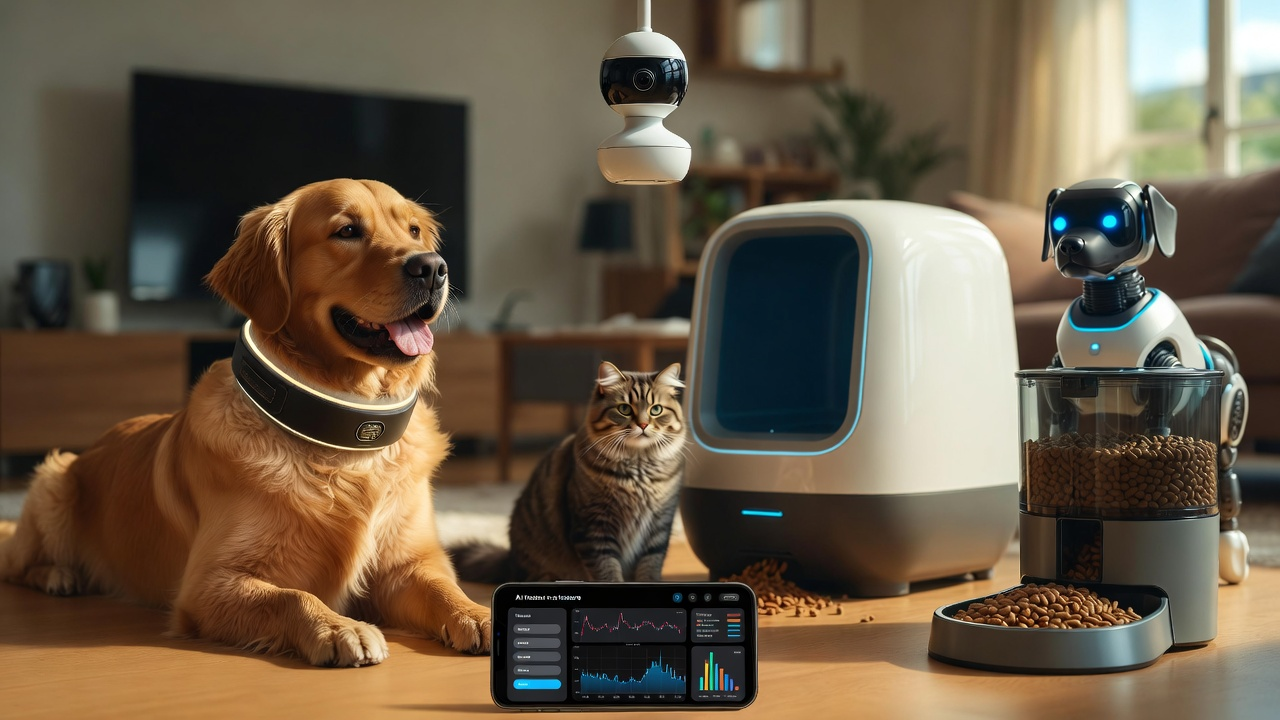
In 2026, the global smart pet technology market has officially shed its “luxury” label. It is now a $24.96 billion powerhouse transforming how we understand and act upon our animals’ silent signals. For the modern pet parent, “care” no longer stops at premium kibble; it lives within a sophisticated ecosystem of AI-driven diagnostics, real-time safety tracking, and automated hygiene solutions.
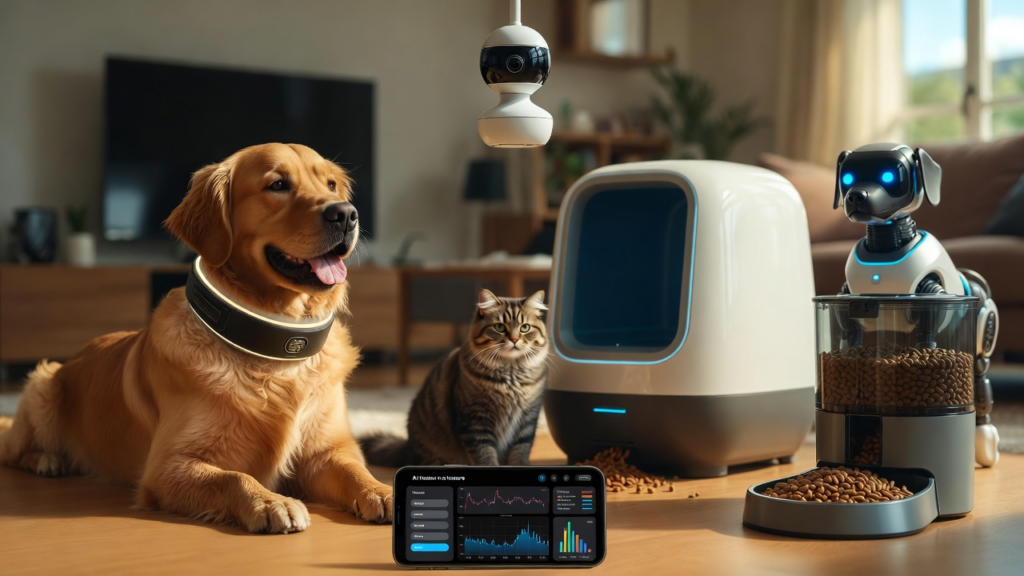
Whether you are managing a multi-cat household or tracking a high-energy dog through the backcountry, this year’s smart pet technology innovations offer a level of biological insight that was unimaginable just a few years ago.
Highlighted at CES 2026, these smart pet devices including pet wearables, AI-powered pet camera, smart pet feeder, pet tracking device, pet monitoring system, IoT for pets, smart water fountain for pets, and pet camera with treat dispenser provide a window into your pet’s health that allows you to be a protector rather than just a provider. This comprehensive guide explores the shifting landscape, the gadgets leading the charge in the best smart pet technology 2026, and the data-driven future of veterinary medicine.
The 2026 Landscape
The shift in 2026 is driven by one core philosophy: Preventive Healthcare. According to recent data from Global Market Insights, the household segment is growing at 11.3% annually as owners transition from “finding a lost dog” to “predicting a health crisis.” We are no longer waiting for a limp or a cough; we are watching the data for the earliest signs of trouble.
“The transition we are seeing in 2026 isn’t just about gadgets; it’s a fundamental shift in the veterinary-client relationship,” says Marcus Chen, Lead Analyst at Market Data Forecast. “We have moved from a ‘wait and see’ diagnostic model to a ‘data-driven prevention’ model where the pet parent acts as the first line of medical screening.”
In this new era, the average annual household spending on pet care in the U.S. is projected to reach $1,445 per pet by 2026. This investment reflects a deeper “humanization” of our pets, where their data is treated with the same importance as our own wearable health metrics. This cultural pivot is often referred to as the “Pet-HCI” (Pet-Human-Computer Interaction) boom, where technology bridges the communication gap between species.
Global Pet Tech Market Dynamics (2025–2026)
| Metric | 2025 Value | 2026 Estimate | Growth (CAGR) |
|---|---|---|---|
| Global Market Size | $19.98 Billion | $24.96 Billion | 24.9% |
| Pet Wearables Segment | $7.1 Billion | $8.6 Billion | 10.9% |
| Smart Camera Segment | $3.3 Billion | $3.7 Billion (est) | 13.8% |
| U.S. Household Spending | $1,340 / pet | $1,445 / pet | ~7.8% |
The Top 10 Smart Gadgets of 2026: An In-Depth Review
The following devices represent the pinnacle of innovation as showcased at the 2026 Consumer Electronics Show (CES). These are not merely toys; they are essential instruments for modern husbandry.
1. Best Overall Health Wearable: PetPace 3.0 Smart Collar
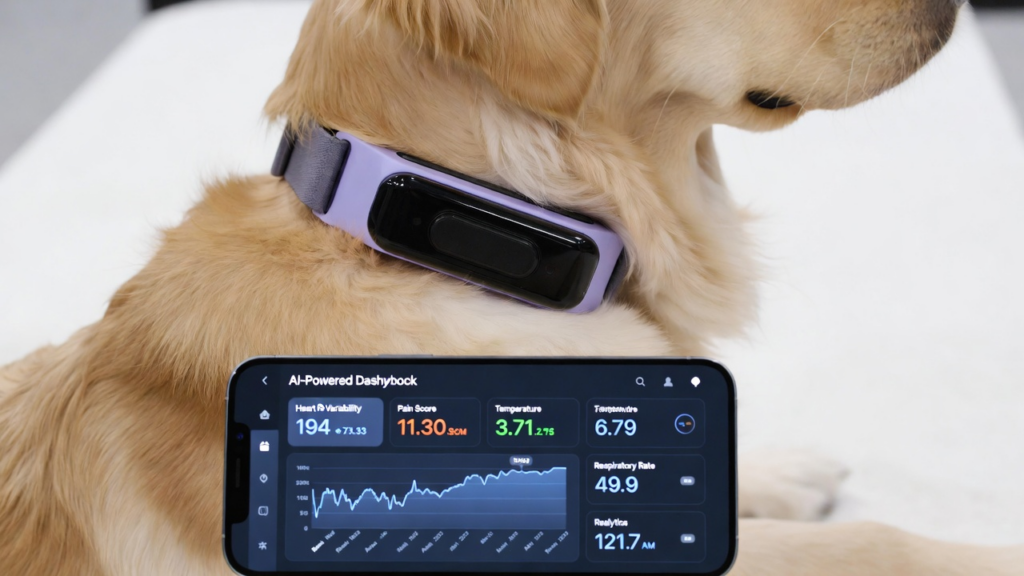
The PetPace 3.0 has transcended the role of a simple fitness tracker. It is now a medical-grade diagnostic tool that monitors vital signs with a precision previously reserved for veterinary clinics. It tracks continuous heart rate, respiratory rates, temperature, and Heart Rate Variability (HRV).
According to Dr. Elena Vance, a Veterinary Cardiologist, the precision of new-gen wearables is a game-changer: “The ability to monitor Heart Rate Variability (HRV) in a home environment provides a much truer picture of a pet’s cardiac health than a stressful, five-minute exam in a white-coat clinic setting.”
The 2026 model uses proprietary AI algorithms to identify “micro-shifts” in behavior such as increased nighttime pacing or subtle changes in posture—that could indicate early-stage osteoarthritis or heart disease. It even offers Pain Score Analytics, a feature that quantifies your pet’s comfort levels, giving a voice to pets who naturally hide their distress.
2. The Adventure Standard: Tractive Dog 6 (6th Gen)
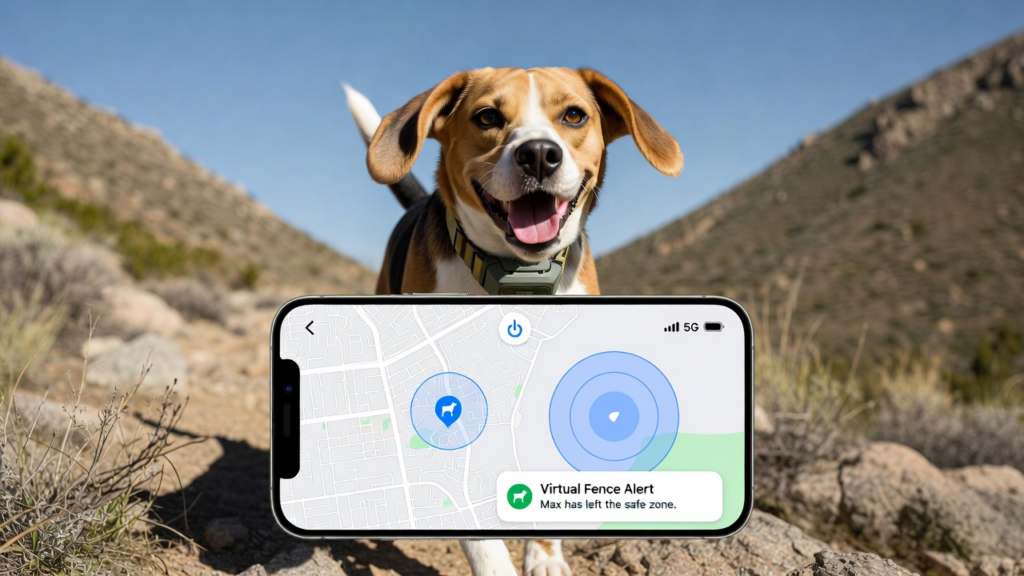
While the market is flooded with trackers, the Tractive Dog 6 remains the undisputed king of real-time location. Utilizing the latest LTE-M and 5G networks, it provides live updates every 2-3 seconds with unlimited range.
The “Virtual Fence” has been upgraded for 2026 to be 40% more responsive, sending an instant alert to your smartphone the second your dog crosses a boundary. Tractive users currently report a 98% recovery rate for lost pets within the first two hours of disappearance, making it essential for escape artists and hikers. Its “Wellness Score” integration also monitors sleep quality, ensuring your adventurer isn’t overexerting themselves.
3. The Multi-Cat Health Lab: Whisker Litter-Robot 5 Pro
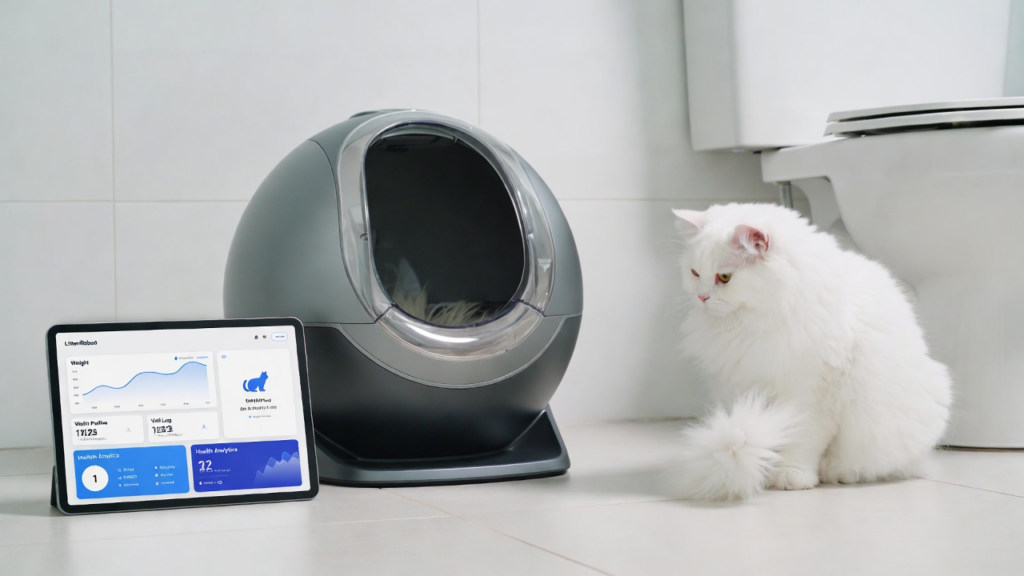
The Litter-Robot 5 Pro is more than an automated scoop; it is a sophisticated health monitor for feline wellness. Using dual AI-powered cameras and a high-precision scale, it distinguishes between multiple cats based on weight and “tail-print” recognition.
In multi-cat homes, this is often the only way to know which specific cat is experiencing a potential UTI or kidney issue. The 5 Pro logs every visit, tracking frequency, duration, and waste volume. It eliminates daily scooping while providing a data-rich health profile available 24/7 via the Whisker app, which can be exported directly to your vet.
4. Best Smart Feeder: PalNests Dual-Chamber Smart Feeder
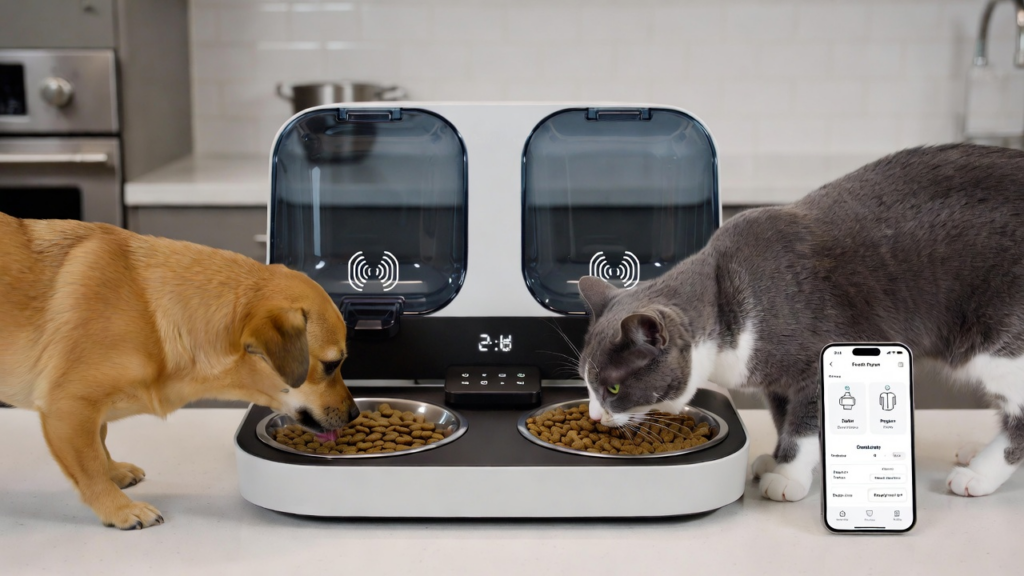
Feeding time in 2026 is about personalization. Two separate hoppers allow you to store and dispense different types of food, such as weight-management kibble and regular food. This is a game-changer for managing chronic conditions like diabetes or obesity.
Integrated with RFID collar tags, the feeder only opens for the assigned pet, preventing “food theft” in households with greedy eaters. As Dr. Arlo Smith, DVM, notes: “The ability to automate specialized diets ensures medical compliance in ways manual feeding simply cannot.”
5. Best for Indoor Engagement: PePeHola S1 Smart Ball
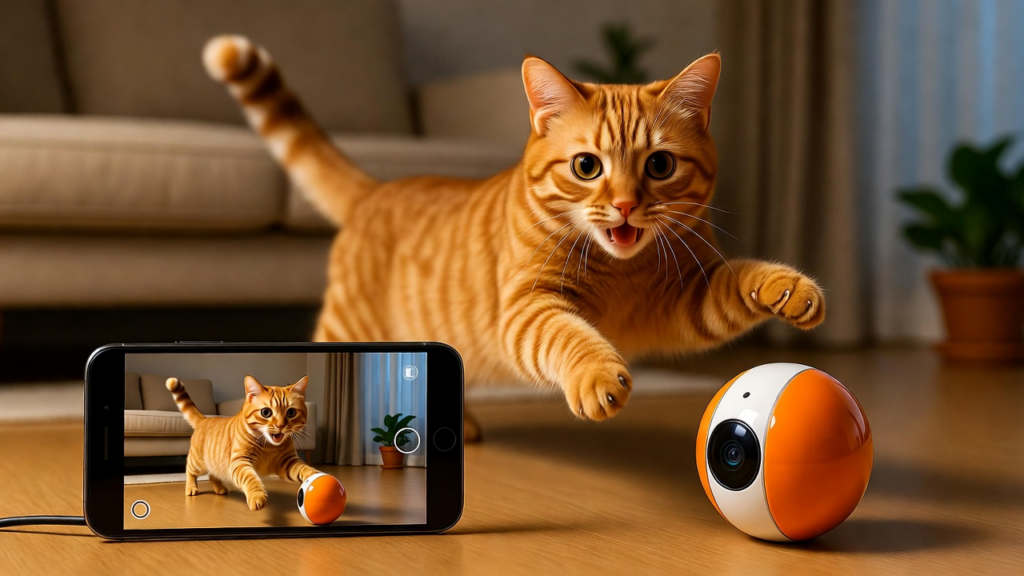
Separation anxiety is a major pain point for 2026 owners. The PePeHola S1 acts as a bridge between you and your pet when you’re away. It features a built-in 2K camera that allows you to watch your pet play from a stabilized “cat’s eye” view.
If you’re busy, the ball enters “AI mode,” using sensors to react to your pet’s pounces and nudges. This keeps them physically active and mentally stimulated, reducing destructive behaviors born from boredom.
6. The Ultimate Pet Guardian: Aqara Camera Hub G3
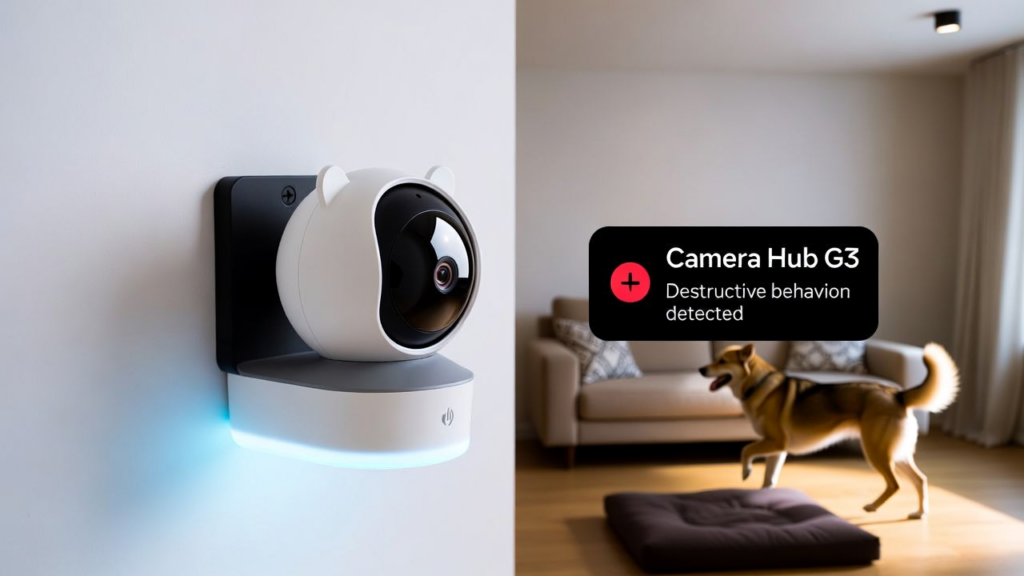
The Aqara G3 is the centerpiece of a 2026 smart pet home. It isn’t just a camera; it’s an AI-driven security hub that can recognize individual cats and dogs, tracking their movement 360° as they move through a room.
Unlike standard cameras, the G3 can differentiate between “normal play” and “destructive behavior,” such as scratching a sofa or tipping over a bin. It sends an immediate notification so you can intervene via two-way audio. It also functions as a Zigbee hub, allowing it to trigger other smart home devices like turning on a fan if the room temperature gets too high for your pug.
7. Best for Hygiene: Neakasa M1 Open-Top Automatic Litter Box
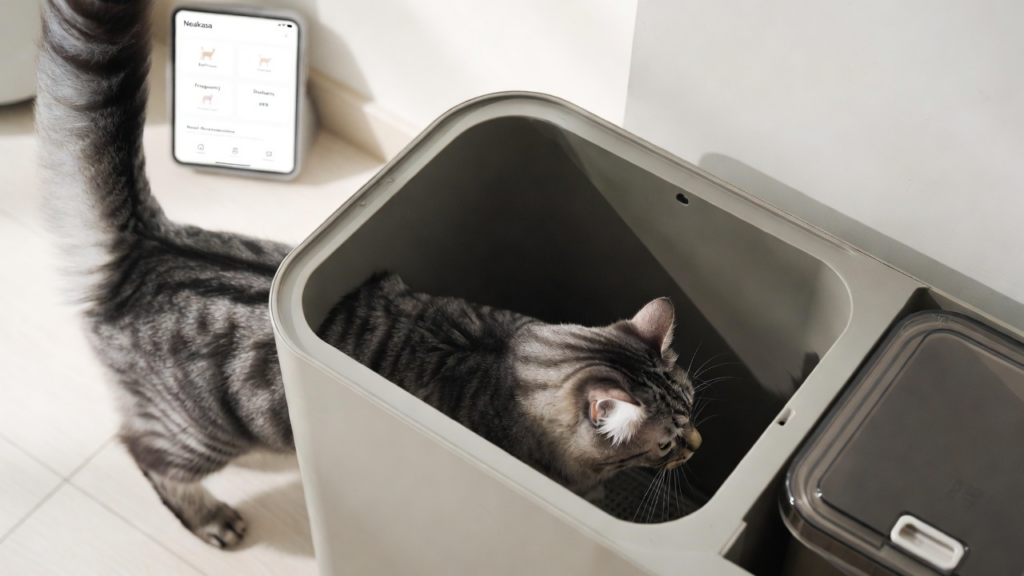
For cats that suffer from “hood anxiety,” the Neakasa M1 offers the benefits of automation without the enclosed space of traditional smart boxes. Its open-top design boasts an 87% acceptance rate among cats who previously rejected automatic boxes.
A 15L waste bin allows for up to 14 days of hands-free operation for a single cat. At a $499 price point, it provides premium health tracking monitoring bathroom frequency and duration at a mid-range budget, ensuring that high-tech hygiene is accessible to more pet parents.
8. Health-Focused Adventure Wearable: Fi Series 3+ Smart Collar
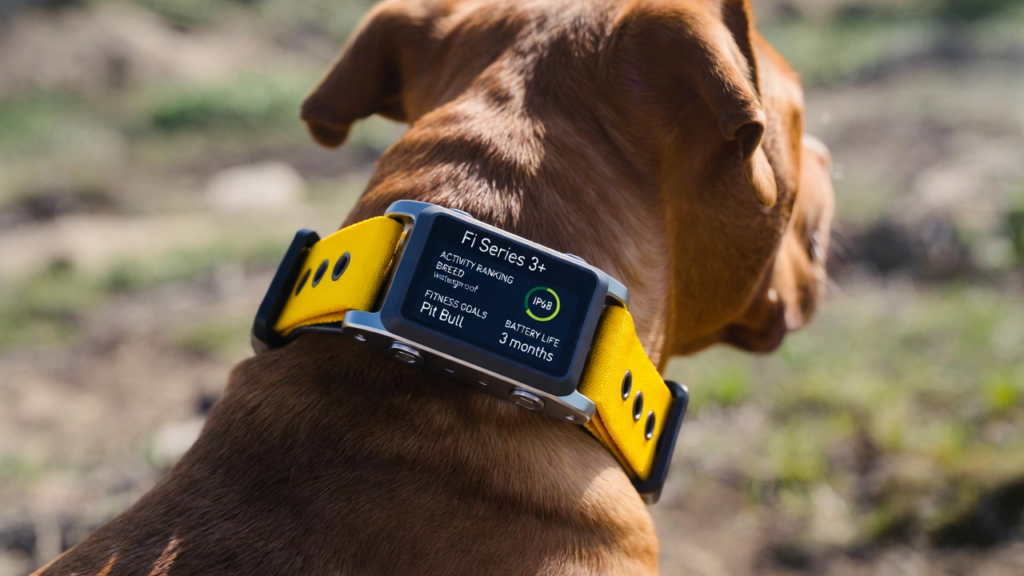
The Fi Series 3+ competes with Tractive by leaning heavily into durability and “social” metrics. Constructed with a stainless steel frame and IP68 waterproofing, it is designed for dogs that swim, dig, and explore the toughest terrains.
The Fi app allows you to see how your dog’s activity ranks against other dogs of the same breed and age, helping you set realistic fitness goals. It also offers an industry-leading 3 months of battery life on a single charge in “Home Mode,” solving the “charging fatigue” that plagued earlier wearable models.
9. Advanced Hydration: Petkit Pura Health Water Fountain
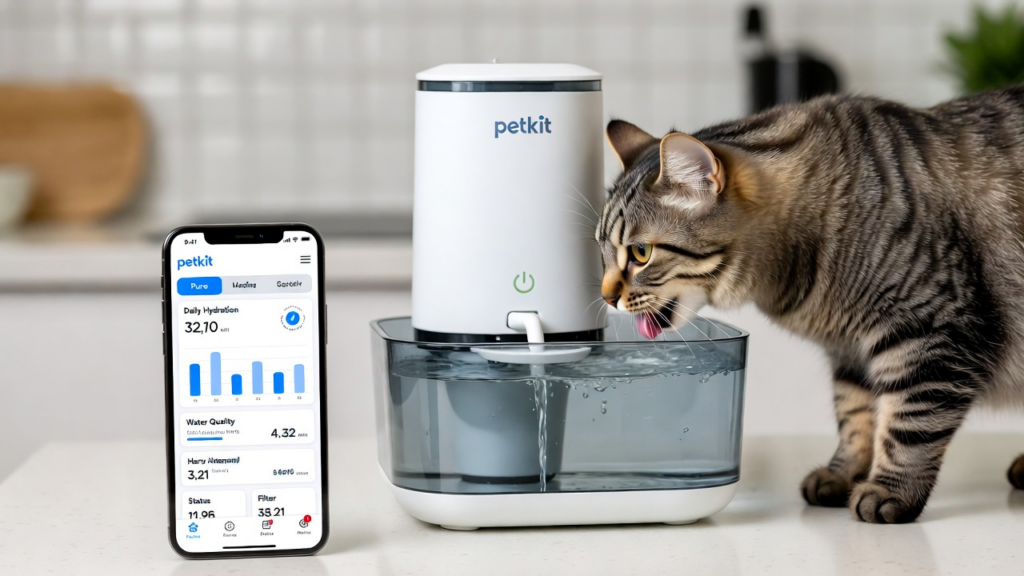
Dehydration is a leading cause of kidney issues in cats, and the Petkit Pura makes water consumption trackable. The app logs exactly how many milliliters your pet drinks daily, alerting you to sudden drops in intake which are often the first sign of illness or dental pain.
The fountain uses AI to monitor filter life and water quality in real-time, ensuring the water is always fresh and free of contaminants. This proactive approach to hydration is one of the simplest ways to extend a cat’s lifespan in the digital age.
10. The AI Companion: Loona V24 Smart Robot Dog

For those looking for a “tech-first” companion or a playmate for their real pets, the Loona V24 is the peak of 2026 robotics. It features GPT-4 integration, allowing Loona to understand complex voice commands and react with lifelike emotions.
It is programmed to engage with real dogs and cats, playing fetch or performing tricks to keep your actual pet entertained during your workday. It acts as both a toy and a companion, filling the social gap when the “human” pack members are away from home.
Segmenting the Tech: What Drives the Market?
As technology advances, different categories of pet tech serve varying needs. While “Pet Safety” remains the largest application segment (driven by the fear of lost pets), “Medical Diagnosis” is the fastest-growing area. This is largely a response to rising veterinary costs—which have risen over 40% since 2020. Pet owners are using technology to “triage” at home, ensuring they only visit the ER when absolutely necessary.
2026 Pet Tech Market Share by Application
| Application Segment | Market Share (2025/26) | Growth Potential (CAGR) |
|---|---|---|
| Pet Safety & Tracking | 55.3% | 18.3% |
| Health Monitoring | 22.4% | 16.7% |
| Medical Diagnosis | 10.8% | 15.1% |
| Entertainment & Toys | 11.5% | 15.7% |
The Economics of Pet Tech: Is it a Sound Investment?
With U.S. household spending per pet rising, many wonder if the ROI (Return on Investment) of a $500 litter box or a $200 collar is justified. To understand this, we must look at the “Prevention vs. Cure” financial model.
- ER Visit Avoidance: The average emergency vet visit in 2026 starts at $400 just for the exam. Diagnostic gadgets that catch a UTI (urinary tract infection) early can save an owner between $1,200 and $3,500 in surgery and hospitalization costs for a blockage.
- Insurance Discounts: In 2026, major pet insurance providers like Lemonade and Trupanion have begun offering premium discounts for owners who share their pet’s wearable data. Showing a consistent history of exercise and normal vital signs can lower monthly premiums by up to 15%.
- Longevity: While harder to quantify in dollars, extending a pet’s life by even 1–2 years through early detection of heart or kidney issues is considered “priceless” by the vast majority of consumers surveyed by the APPA.
Case Studies
To understand the impact of these devices, we look at three real-world scenarios from the past year.
Case Study 1:
The “Silent” Heart Condition (The PetPace Save)
Owner: Sarah M., Chicago. Pet: Cooper, 9-year-old Golden Retriever.
Cooper seemed healthy, but his PetPace 3.0 alerted Sarah to a 15% drop in resting Heart Rate Variability and a slight increase in sleeping respiratory rate over three nights.
Sarah took Cooper to the vet before any outward symptoms appeared. He was diagnosed with early-stage Congestive Heart Failure. By catching it early, the vet was able to start medication that likely added years to Cooper’s life—changes Sarah never would have noticed without the data.
Case Study 2:
Solving the Multi-Cat Weight Mystery (The Whisker Effect)
Owner: David L., Seattle. Pets: Three Rescue Cats (Luna, Oliver, and Milo).
David noticed the Litter-Robot 5 Pro app flagging a “weight deviation” for the “Oliver” profile. Oliver had lost 1.2 lbs in two weeks, though he still appeared to be eating normally at the communal bowl.
The data showed Oliver was visiting the box 8 times a day—behavior David hadn’t seen because of the other cats. It was a diagnosed UTI. Early intervention prevented a costly and painful emergency blockage that could have been fatal.
Case Study 3:
The Escape Artist (Tractive in Action)
Owner: Elena R., Asheville. Pet: Jasper, a high-prey-drive Husky.
During a backyard barbecue, a guest left the gate unlatched. Jasper bolted into the dense Appalachian brush in pursuit of a squirrel.
Elena’s phone buzzed immediately with a “Virtual Fence” alert. Using the Tractive Dog 6’s Live Mode, she tracked Jasper through a ravine nearly a mile away. She reached him in 14 minutes. Without the 5G update, the signal likely would have dropped in those hills, leaving Jasper lost in the wilderness.
The Future: 2027 and Beyond
As we look toward the end of the decade, the integration of Large Language Models (LLMs) with pet data will be the next frontier. We are already seeing “Pet Translators”—not in the sense of Dr. Dolittle, but in AI’s ability to interpret vocalizations and biometrics into “state-of-mind” reports.
Imagine receiving a notification: “Based on Max’s increased cortisol levels (tracked via skin sensors) and his specific whines, he is likely experiencing separation anxiety due to the storm. I have activated the calming pheromone diffuser and started his ‘Soothing Jazz’ playlist.” This is the level of automation we expect to see standardized by 2028.
Conclusion
The data is clear: 2026 is the year smart pet technology moves from “gadgetry” to “essential care.” By investing in the best smart pet technology 2026 tools like the PetPace 3.0 or the Litter-Robot 5 Pro, you aren’t just buying convenience you are buying a window into your pet’s health that was never before possible, powered by smart pet devices, pet wearables, AI-powered pet camera, smart pet feeder, pet tracking device, pet monitoring system, IoT for pets, smart water fountain for pets, and even pet camera with treat dispenser features in many setups.
The most successful pet parents this year will be those who use these data points from smart pet technology to foster a proactive relationship with their veterinarians. We are moving away from a world where pets suffer in silence and toward a world where every heartbeat and every meal is a data point in a longer, healthier life.
As the 2026 industry report from Global Market Insights concludes: “The true value of the 2026 pet tech revolution lies not in the hardware itself, but in the peace of mind granted to owners who no longer have to wonder if their silent companions are suffering in secret.”
For more in-depth guides, expert tips on preventive care, the latest pet tech reviews, and actionable insights to keep your furry family thriving, head over to PetCastel — your go-to hub for trusted pet owner resources.
Frequently Asked Questions
1. What is the best smart pet technology 2026 has to offer?
The “best” tech depends on your needs, but the top-rated smart pet technology this year focuses on integrated ecosystems. Leading the pack are AI-driven health monitors and multi-functional pet tracking devices that combine GPS location with biometric health data to ensure your pet is both safe and healthy.
2. Are AI-powered pet cameras worth the investment?
Yes. Modern AI-powered pet cameras do more than just record video; they act as a complete pet monitoring system. These devices can now identify distress barks, track anxiety levels, and often come as a pet camera with treat dispenser, allowing you to reward your pet and interact with them remotely to reduce separation anxiety.
3. How do smart pet devices improve my pet’s health?
Smart pet devices improve wellness through precision. For example, a smart water fountain for pets ensures constant filtration and tracks hydration levels, while a smart pet feeder prevents obesity by dispensing exact portions at scheduled times. These tools remove the guesswork from daily care.
4. What are the benefits of using pet wearables?
Pet wearables are essentially “smartwatches for dogs and cats.” These devices monitor heart rate, sleep quality, and activity levels. By using a wearable pet tracking device, owners can catch early signs of illness—like lethargy or irregular pulse—long before they become visible symptoms.
5. How does IoT for pets create a “Smart Home”?
IoT for pets refers to the way your devices communicate. In a truly smart home, your pet monitoring system might signal your smart pet feeder to adjust calories based on the activity data collected by your pet’s wearable. This interconnectedness creates a seamless environment for pet safety.
6. Can a smart pet feeder help with my pet’s diet?
Absolutely. A smart pet feeder is one of the most effective tools for weight management. Many models integrate with apps to calculate the ideal caloric intake based on your pet’s age and weight, ensuring they never overeat while you are away from home.
7. Is my data safe when using a pet monitoring system?
Privacy is a top priority for smart pet technology in 2026. Most reputable brands now use end-to-end encryption for their AI-powered pet cameras and secure cloud storage for data collected by pet wearables, ensuring that your home and your pet’s data remain private.